When Lionel Messi became the all-time leading World Cup goalscorer, the internet erupted. When Cristiano Ronaldo scored against Uzbekistan to become the tournament's second-oldest goalscorer, the headlines wrote themselves.
That's how World Cups usually work. The stars take centre stage.
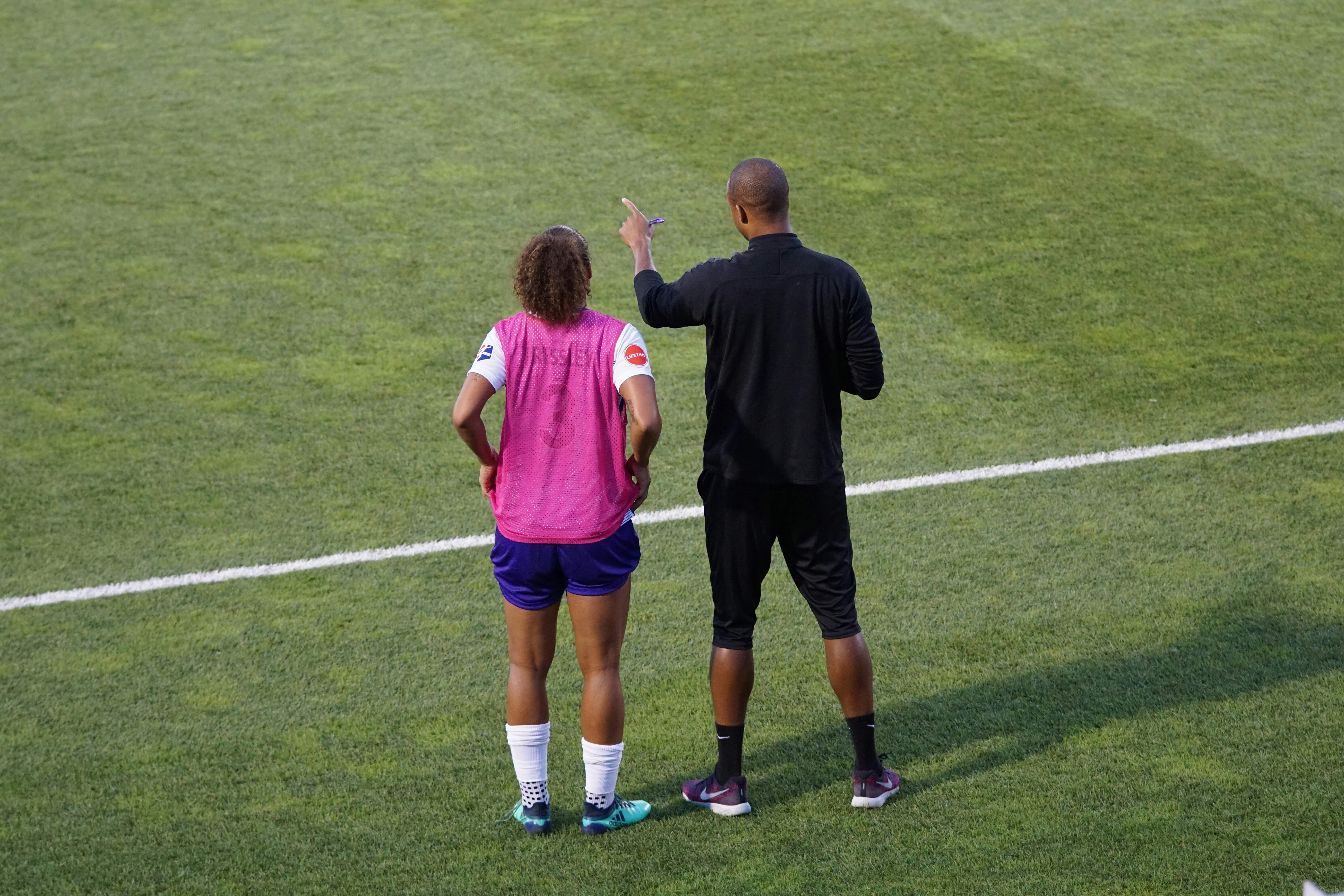
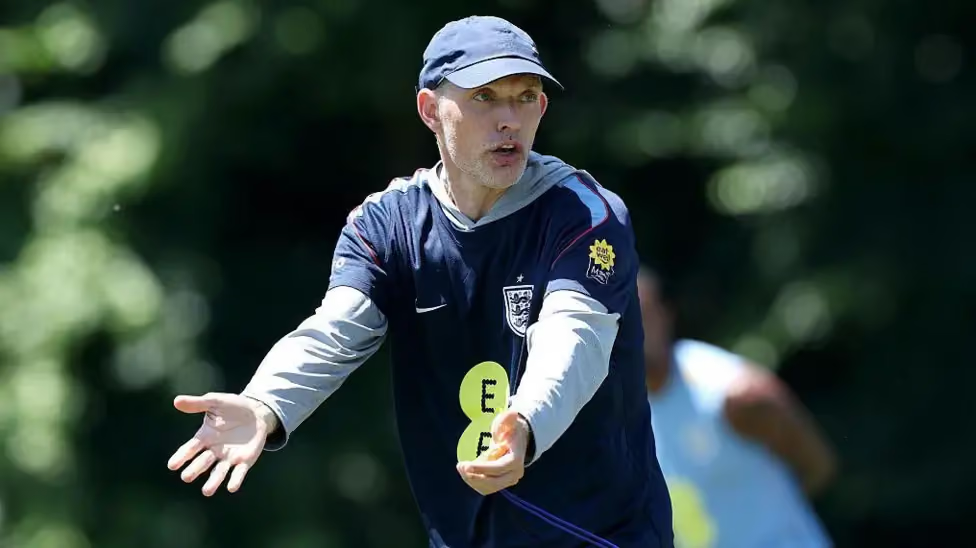
Yet beneath those individual moments, another story has quietly unfolded. The 2026 FIFA World Cup has been shaped just as much by coaches as by players. Across the group stage, experienced rebuilders, patient developers and tactical architects have guided teams beyond expectations, proving that clear ideas, strong culture and consistent preparation can narrow even the widest talent gap.
Three coaches in particular have shown what that looks like-and each offers lessons that every coach, from grassroots to elite level, can take back to the training ground.
1. Organisation beats talent - Hugo Broos & South Africa
At 74 years old, Hugo Broos arrived in North America as the oldest coach in World Cup history. Four years earlier, South Africa hadn't even qualified for the tournament. Few expected them to survive a difficult group containing Mexico, South Korea and the Czech Republic.
Instead, they reached the knockout stage for the first time ever.
Broos didn't get there through individual brilliance. His team defended compactly, worked relentlessly for one another and executed a game plan that every player understood. After their decisive victory over South Korea, Broos reflected simply:
"We were tactically very good. It was very difficult for South Korea to find space."
It's an important reminder that organisation is often the greatest competitive advantage a coach can create. Most grassroots teams won't have the best players in every position, but every team can become harder to play against through shared understanding, clear roles and collective discipline.
Training idea
Build your next session around just one defensive principle-pressing triggers, defending compactly or back-line movement. Resist the temptation to cover everything. Repeat the same principle in multiple game-like situations until every player understands not only what to do, but why. That's how collective defending becomes instinctive.
2. Culture comes before tactics - Mauricio Pochettino & the USA
When Mauricio Pochettino accepted the United States job, he inherited more than a football team. He inherited a culture that, by his own admission, needed resetting.
Over the following eighteen months, he experimented relentlessly, giving opportunities to more than seventy players while making it clear that reputation alone guaranteed nothing. Difficult decisions-including leaving Christian Pulisic out of a Gold Cup squad-reinforced that every place had to be earned.
The process wasn't always comfortable. Results fluctuated, criticism grew, and there were plenty of reasons to abandon the plan.
Instead, the United States arrived at the World Cup with one of the tournament's clearest identities. They topped their group for the first time in history while leading the competition in pressing sequences-a reflection not just of tactical work, but of a culture built around intensity, accountability and collective effort.
Pochettino's greatest achievement wasn't introducing a new system. It was creating an environment where the system could thrive.
Training idea
Every team has technical objectives, but great teams also train behaviours. Pick one habit you want to define your team this month - constant communication, immediate counter-pressing or encouraging teammates after mistakes - and make it a coaching point in every session. Review it afterwards just as you would a tactical objective.
3. Preparation becomes performance - Sébastien Desabre & DR Congo
Sébastien Desabre's path to the World Cup looked very different. Having built his coaching career across Africa, he took charge of DR Congo with the ambitious goal of returning them to the tournament for the first time since 1974.
Years of careful preparation culminated in one decisive group-stage match. Needing a victory to qualify, DR Congo fell behind early against Uzbekistan before fighting back with three late goals to secure an unforgettable comeback.
The substitutions were perfectly timed and the tactical adjustments effective, but neither happened by chance. They were possible because the players had rehearsed those situations repeatedly. The confidence they showed under pressure had been built long before kickoff through detailed preparation, video analysis and a shared understanding of how they wanted to play.
As Desabre said after the match:
"We're a team that knows how to respond when we concede. We keep fighting with determination."
That resilience isn't improvised. It's trained.
Training idea
Identify one match situation that regularly decides games for your team, a corner, throw-in or playing out under pressure, and deliberately over-prepare it this week. Repetition builds automaticity, allowing players to react confidently when the moment arrives in a match.
Great coaching happens long before kickoff
Hugo Broos built organisation.
Mauricio Pochettino built culture.
Sébastien Desabre built preparation.
Their journeys were different, but their success rested on the same foundation: clarity of purpose, consistency in training and the patience to trust the process.
That's perhaps the biggest lesson from this World Cup group stage. Great coaching rarely reveals itself in a single tactical adjustment or an inspirational team talk. More often, it's found in the countless training sessions, conversations and planning moments that happen long before anyone steps onto the pitch.
Those are the moments that shape teams.
Whether you're looking for ready-made training sessions, long-term season planning, or coaching education from some of the game's leading minds - including exclusive content from Manchester City - Coachbetter is built to help you turn ideas into habits, and habits into better performances.
Explore Coachbetter and start building your team's identity today.